Understanding Daily Vitamins for Men
An educational resource exploring essential vitamins, their functions, and nutritional sources
Introduction to Daily Vitamins
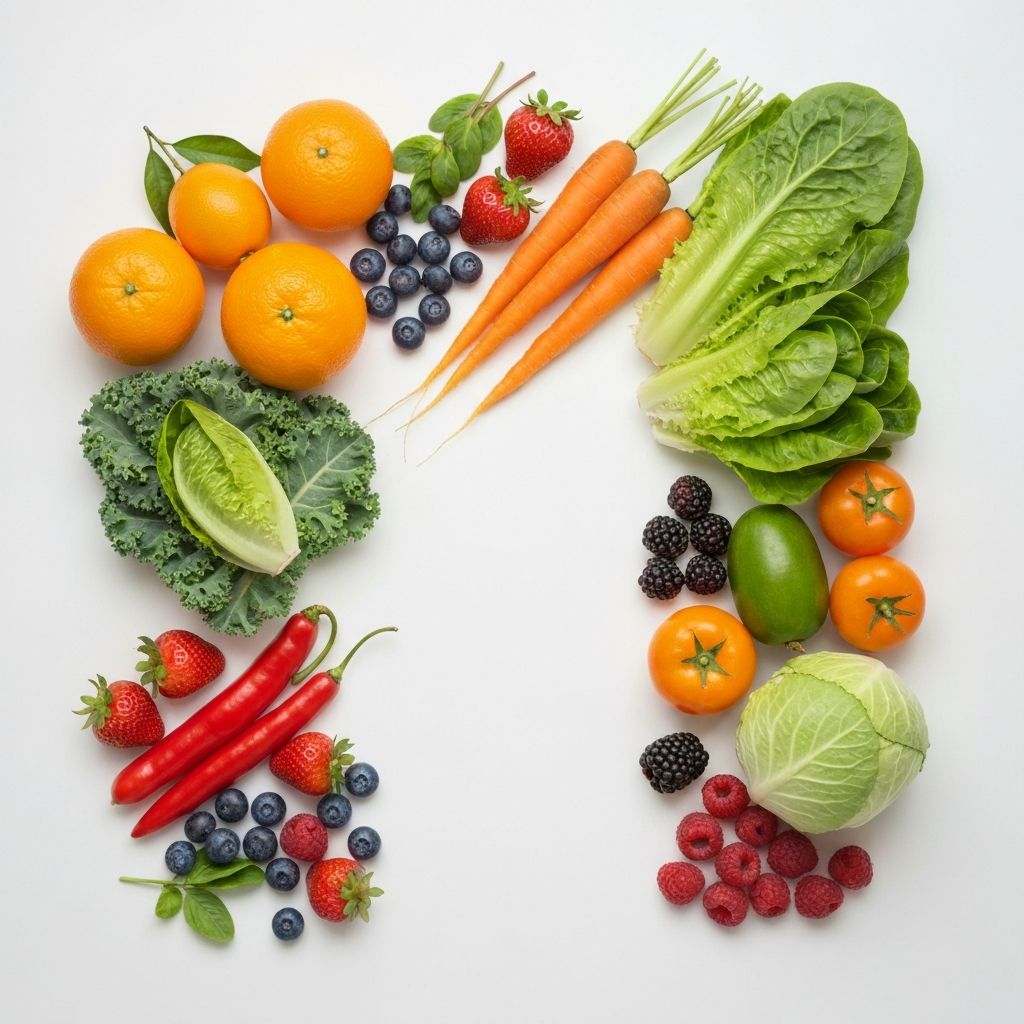
Vitamins are organic compounds that the human body needs in small quantities for various metabolic processes. They play crucial roles in maintaining energy levels, supporting immune function, and contributing to overall wellness.
This educational resource provides information about vitamins commonly discussed in the context of nutrition and daily diet. Understanding these compounds can help individuals make informed decisions about their food choices.

Key Vitamins Overview
Vitamin C
An essential water-soluble vitamin found in citrus fruits, berries, and vegetables. It supports various bodily functions and is known for its role in immune system processes.
Vitamin D
A fat-soluble vitamin that can be synthesized in skin upon exposure to sunlight. It is also present in certain foods like fish and fortified products.
B Vitamins
A group of eight water-soluble vitamins including B1, B2, B3, B5, B6, B7, B9, and B12. They are involved in energy metabolism and can be found in whole grains, meat, and vegetables.
Vitamin A
A fat-soluble vitamin important for vision and cellular processes. It is found in orange and yellow vegetables, as well as in animal products.
Vitamin E
A fat-soluble vitamin with antioxidant properties. Nuts, seeds, and vegetable oils are common dietary sources.
Vitamin K
A fat-soluble vitamin involved in blood clotting processes. Green leafy vegetables are particularly rich sources.
Mineral Support Overview
In addition to vitamins, minerals are essential nutrients that support various physiological functions. Common minerals include zinc, magnesium, selenium, and iron.
These elements are found in diverse food sources including nuts, seeds, whole grains, legumes, and leafy greens. They work alongside vitamins to support metabolic processes.
Sources of Vitamins in Diet
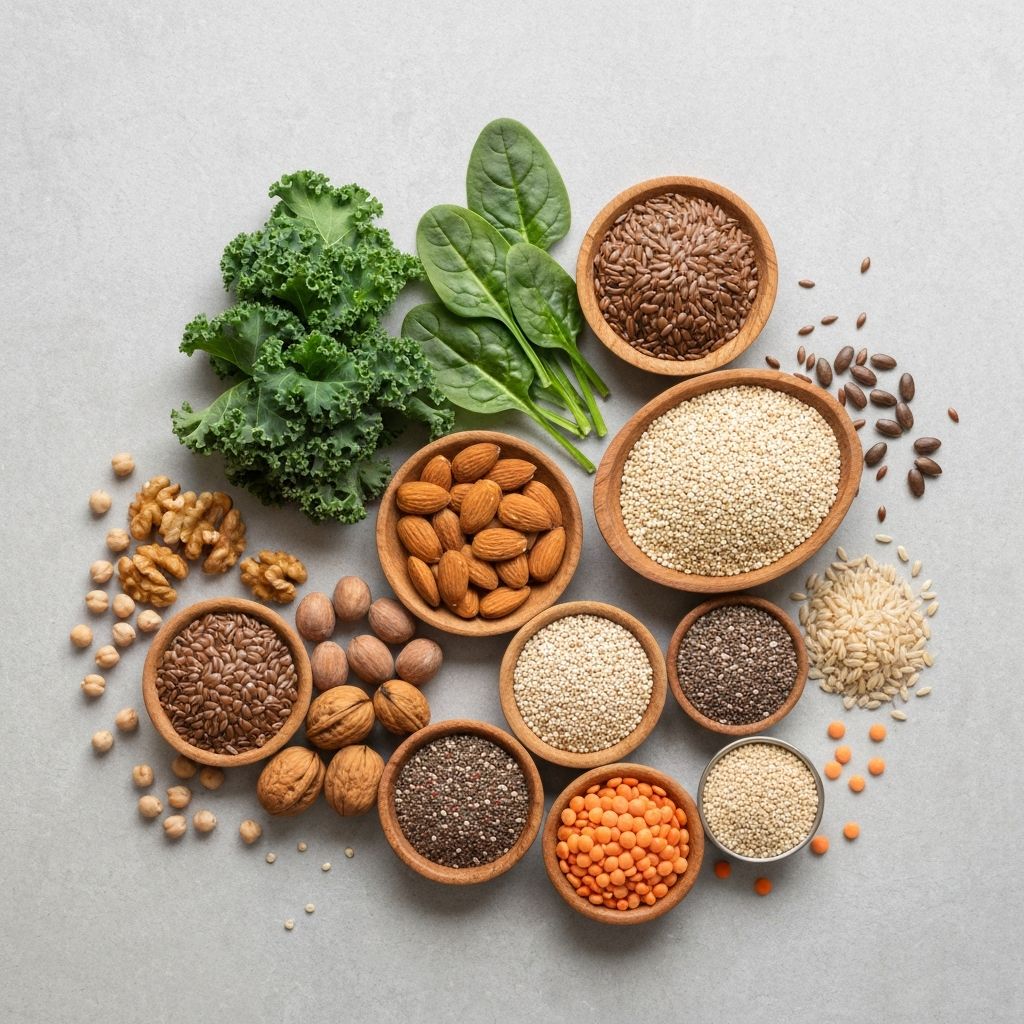
A varied diet including fruits, vegetables, whole grains, nuts, seeds, legumes, and animal products can provide a wide range of vitamins. Different foods contain different vitamin profiles.
- Citrus fruits and berries contain vitamin C
- Fatty fish and fortified dairy provide vitamin D
- Whole grains offer B vitamins
- Colorful vegetables supply vitamin A
- Nuts and seeds are sources of vitamin E
- Leafy greens contain vitamin K

Recommended Intake Guidelines
Various health organizations publish reference values for vitamin intake. These are general population guidelines and may vary based on individual factors.
General Reference Values
Reference dietary values are established based on scientific research and population studies. These values represent average needs for healthy populations.
Individual Variation
Nutritional needs can vary significantly based on age, lifestyle, activity levels, and other individual factors. These variations are documented in nutritional science literature.
Products Rich in Essential Nutrients

Citrus Fruits
Oranges, grapefruits, lemons, and limes are excellent sources of vitamin C. They can be consumed fresh, juiced, or added to various dishes. Citrus fruits are widely available and commonly included in balanced diets.
Leafy Greens
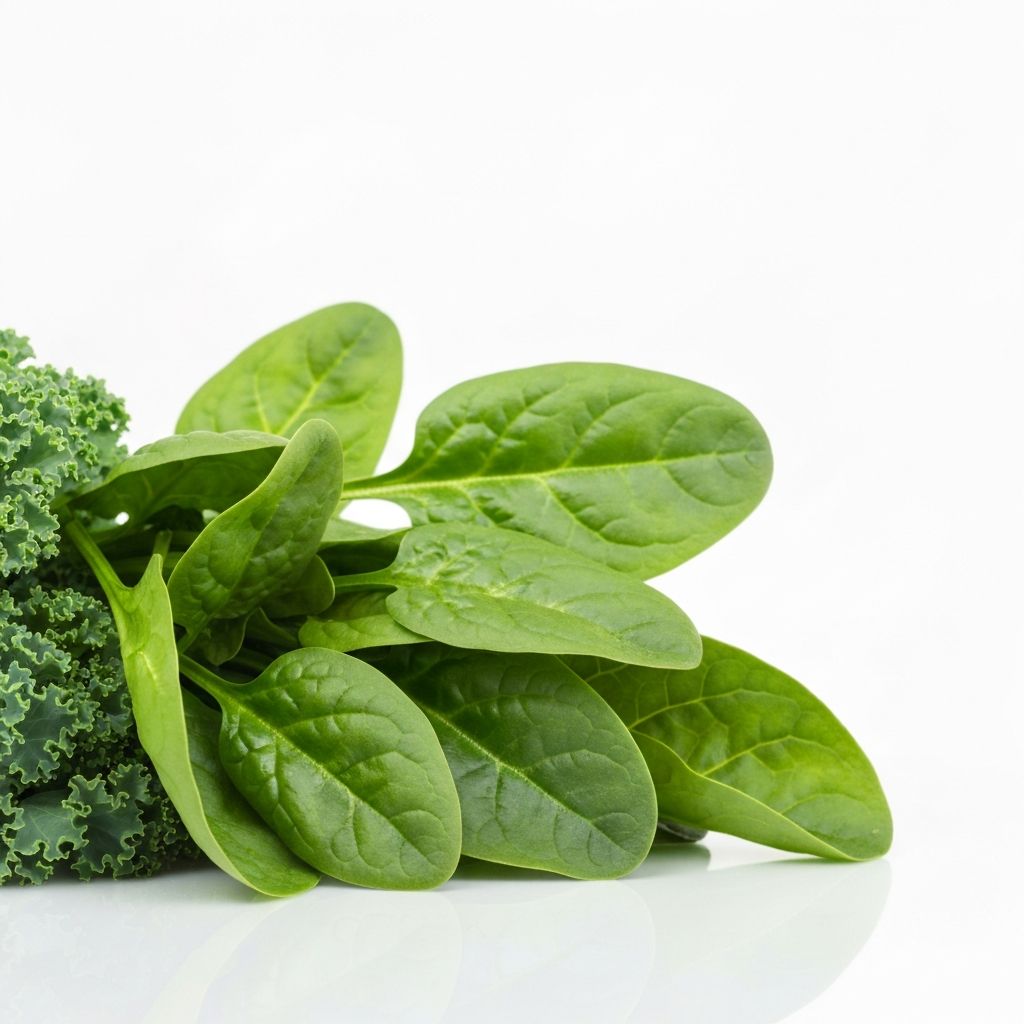
Spinach, kale, collard greens, and other dark leafy vegetables contain vitamins A, C, K, and various minerals. They can be eaten raw in salads or cooked as side dishes. These vegetables are staples in many dietary patterns.

Nuts and Seeds
Almonds, walnuts, sunflower seeds, and chia seeds provide vitamin E, healthy fats, and minerals. They can be consumed as snacks or incorporated into meals. Nuts and seeds are energy-dense foods with diverse nutrient profiles.

Lifestyle Considerations
Nutritional needs are influenced by various lifestyle factors including physical activity levels, work environment, sleep patterns, and stress levels. Active individuals may have different nutritional considerations compared to sedentary populations.
Food choices, meal timing, and dietary patterns vary widely across different cultures and individual preferences. There is no single approach that applies universally to all people.
Science-Backed Facts
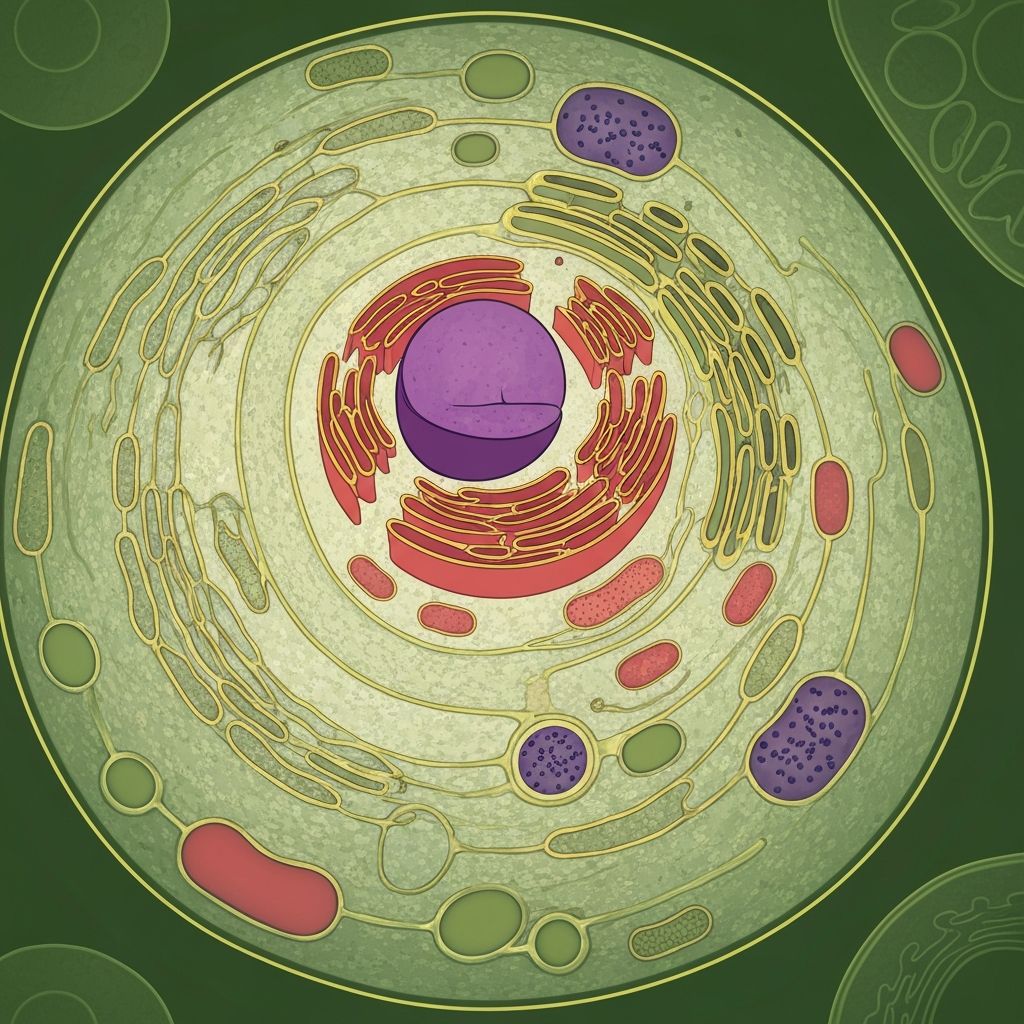
Nutritional science is an evolving field with ongoing research into how vitamins and minerals function in the human body. Studies examine absorption, metabolism, and the relationships between diet and health outcomes.
Research is published in peer-reviewed journals and contributes to the understanding of human nutrition. Scientific consensus develops over time as evidence accumulates from multiple studies.
Common Misconceptions
More is Always Better
There is a widespread belief that consuming vitamins in large quantities provides additional benefits. However, water-soluble vitamins are excreted when in excess, and fat-soluble vitamins can accumulate in the body.
Single Foods as Complete Sources
Some believe that individual foods can provide all necessary nutrients. In reality, different foods contribute different nutrients, and dietary variety is typically recommended in nutritional guidance.
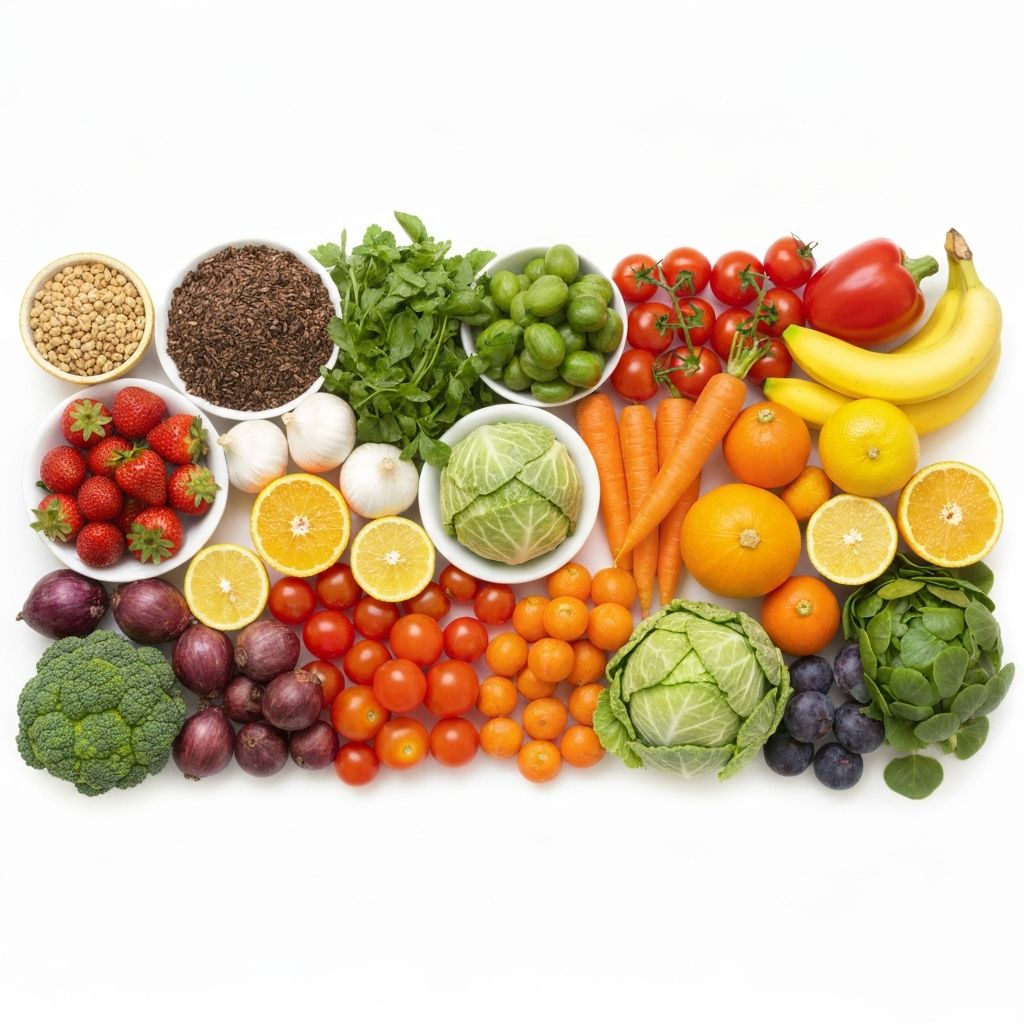
Visual Guide to Vitamin Sources
Understanding which foods contain which vitamins can be aided by visual guides. Color-coded food charts organize vegetables, fruits, proteins, and grains by their predominant nutrient content.
Such visual resources are educational tools used in nutrition education programs and public health initiatives to promote dietary diversity.
Learn More About Daily Vitamins
Continue exploring information about vitamins, minerals, and nutrition through educational resources and scientific literature.
Read More
Additional Resources
Numerous educational resources exist for those interested in learning more about nutrition and vitamins. These include textbooks, scientific publications, government health websites, and educational institutions.
Continuing education in nutrition science helps individuals stay informed about current research and evolving understanding of dietary needs.
Limitations and Context
This website provides educational information about vitamins and nutrition for general knowledge purposes. The content presented here is not individualized advice and does not take into account personal health circumstances, medical history, or specific nutritional needs.
Nutritional science recognizes that individual needs vary significantly. What is discussed here represents general information and should not be interpreted as recommendations for any specific person.
For personalized nutritional guidance, individuals typically consult with qualified professionals who can assess individual circumstances and provide tailored advice.
Educational content only. No promises of outcomes.